All Categories
Featured
Table of Contents
While we believe it's constantly an advantage to sell on multiple markets and selling platforms, often it takes excessive power when doing things manually. With ShipWise, you can manage all of your orders in one place no matter where they come from. Do not be scared of offering on multiple markets due to the fact that it's too much work, it's simple with ShipWise.
Improving Conversion Rates Utilizing Checkout OptimizationAn e-commerce marketplace's advantages are comparing products in real-time and gaining from other customers to find the item that works for the customer. Getting your products on a picked marketplace can be much work but highly useful to your company's success.
For many years, online sellers have focused all their attention selling on Amazon. Why? Due to the fact that it is easy, Fulfillment by Amazon (FBA) makes it even simpler and Amazon is merely eliminating it - 40% of all product searches are occurring on Amazon! Amazon ought to be a large percentage of your profits, the big misunderstanding in the e-commerce world is that the majority of your time and effort should be put on selling on Amazon.
Ecommerce services who use multiple-marketplaces have a revenue profile that looks more like this: Offering on several markets uses a number of benefits for services and sellers, making it a crucial technique for effective e-commerce operations. Here are 4 reasons why selling on multiple-marketplaces, including your own shopping cart is absolutely crucial to your success: Offering online can be compared to a video game of Monopoly.

Decrease your reliance on 1 marketplace. Getting exposure through ecommerce marketplaces exposes your product to the complete quantity of prospective consumers.
Why Advanced Inventory Systems Matter in 2026
Top-line revenue will stream down to your bottom-line. The primary purpose of incorporating several sales-channels for your business is to increase earnings by increasing sales. Offering on several marketplaces requires careful preparation, company, and management, however it can be a lucrative method to expand your online sales and reach a wider customer base.
Think about elements such as costs, audience size, competitors, and seller requirements. As soon as you have actually determined the markets you wish to sell on, create seller accounts on each platform. Each market might have different listing requirements, so enhance your product listings appropriately. This might include creating compelling item titles, descriptions, and images that abide by each platform's standards and finest practices.
Develop prices and promos methods for each marketplace. Consider factors such as competition, consumer habits, and marketplace dynamics. You may need to adjust prices and promotions based upon each platform's efficiency to stay competitive and optimize sales. Offer first-class customer support to maintain a favorable reputation on each market. Establish clear consumer service processes, promptly react to client inquiries and feedback, and handle returns and problems expertly and without delay.
Improving Efficiency through Streamlined Inventory Management
If you do, and you follow the principles we went over in this post, you need to see a genuine boost in your profits, brand name direct exposure, and overall earnings. Do not worry if you can't get on every market right now. Start with one marketplace and expand from there. Start with developing a shop too! With time, as you expand more and more and work on optimization, you'll see much better outcomes that will make a substantial distinction in your bottom line.

The choice of multichannel selling options you need to utilize depends on your service model, target audience, and item niche. Popular marketplaces that numerous retailers choose for selling items include Amazon, eBay, Etsy, Walmart, Shopify, and lots of others.
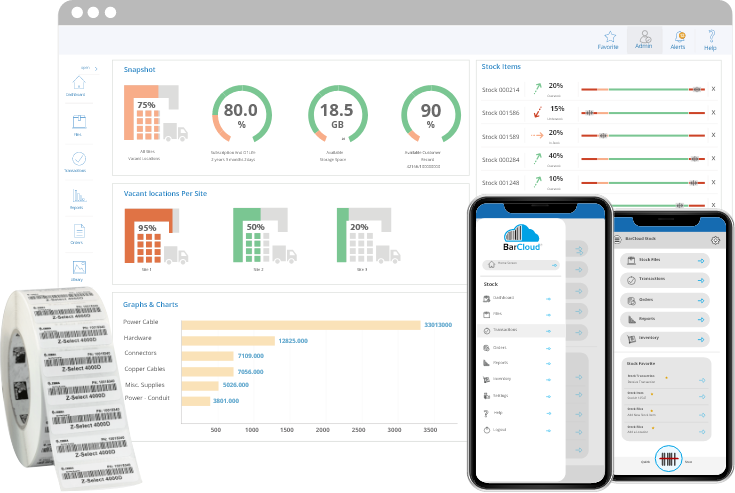
Inventory management across multiple online markets can be challenging. You can use multichannel e-commerce tools or third-party integrations that centralize and automate stock and order management. These tools can help you sync stock, update product information, and enhance order processing throughout various marketplaces. Each market offers online services with its own set of analytics and efficiency metrics to track sales, traffic, and other essential efficiency signs (KPIs).
Best Tactics for Managing Multi-Channel Sales
Establish rates and promos methods for each marketplace. Think about aspects such as competition, consumer behavior, and marketplace dynamics. You may need to adjust rates and promos based upon each platform's performance to remain competitive and maximize sales. Deal superior consumer service to preserve a favorable track record on each marketplace. Establish clear client service processes, without delay react to customer inquiries and feedback, and handle returns and problems professionally and without delay.
Don't worry if you can't get on every market right away. Start with one marketplace and expand from there.
The option of multichannel selling choices you ought to utilize depends on your organization design, target audience, and product specific niche. Popular marketplaces that lots of merchants choose for selling items include Amazon, eBay, Etsy, Walmart, Shopify, and lots of others.
These tools can help you sync inventory, update item information, and improve order processing throughout different markets. Each marketplace provides online companies with its own set of analytics and efficiency metrics to track sales, traffic, and other essential performance indications (KPIs).

Latest Posts
Integrate Regional Stock Points With Automated Online Systems
Why Next-Gen Retailers Leverage Advanced WMS Tools
Essential Rise for Integrated Retail Platforms for 2026